
Medically Reviewed
Last updated: 05/06/2025
Osteoarthritis, also called degenerative joint disease or OA, is the most common form of arthritis that affects the joints. Orthopedists often use these terms interchangeably. It occurs when the smooth cartilage that covers the ends of bones gradually wears away, leading to direct bone-to-bone contact when the joint is used.
Overview
Normally, the ends of the bones are covered with tough and smooth cartilage that acts both as a shock absorber and a lubricant, allowing easy and safe joint movement. In osteoarthritis, this cartilage deteriorates over time, eventually causing the bones to rub against each other during movement.
Osteoarthritis can affect any joint, but it most commonly develops in the:
- Hands
- Knees
- Hips
- Neck (cervical spine)
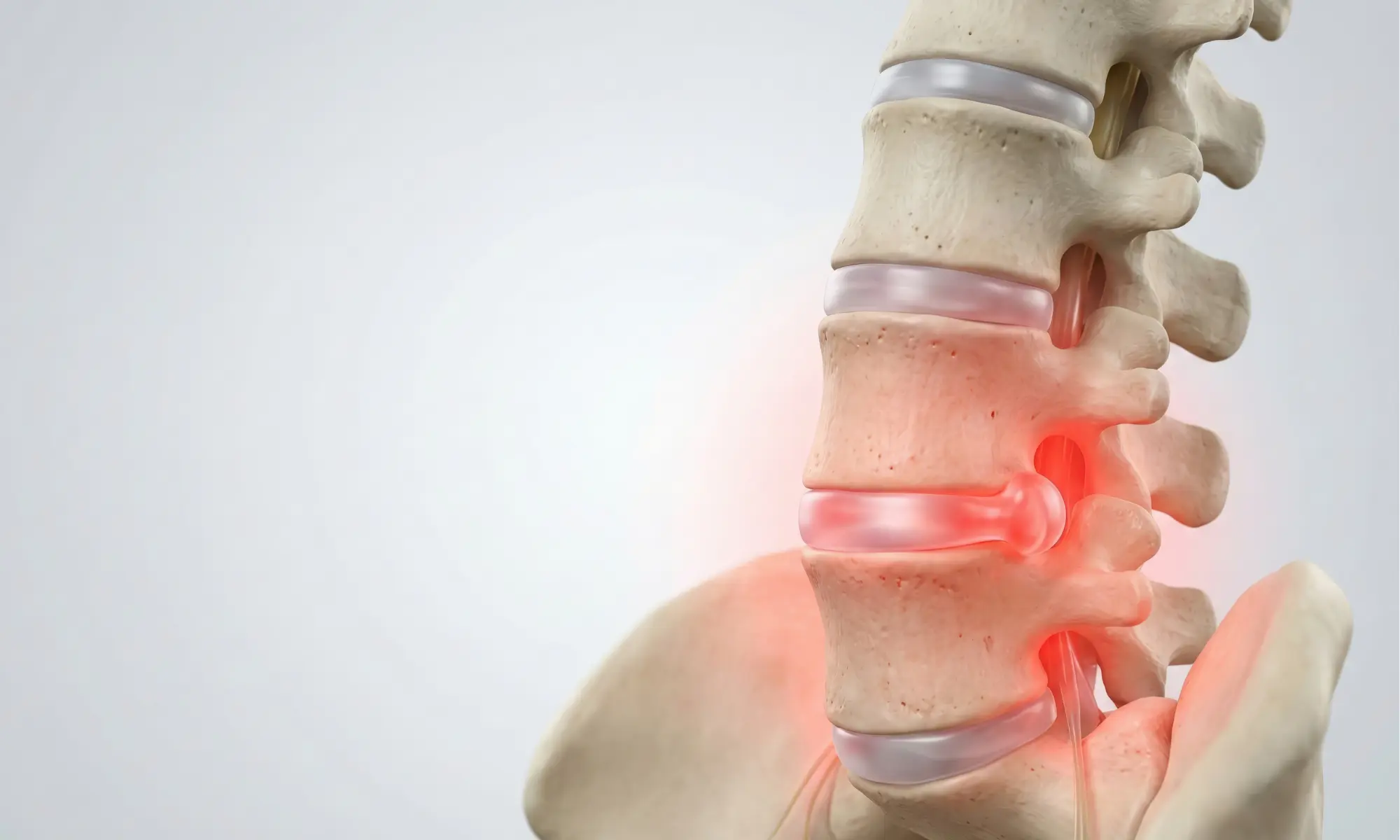
- Lower back (lumbar spine)
Types of Osteoarthritis
Orthopedists classify osteoarthritis into two types:
- Primary osteoarthritis: the most common form, usually caused by natural wear and tear of the joints as a person ages.
- Secondary osteoarthritis: occurs when a joint is directly damaged by trauma, injury, or another type of arthritis that harms the cartilage.
How Common Is Osteoarthritis?
Osteoarthritis is very common worldwide. In Egypt, it is estimated that more than five million people live with osteoarthritis.
Symptoms and Causes
Symptoms
The main symptoms of osteoarthritis include:
- Joint pain, especially when moving the joint
- Stiffness
- Swelling around the joint
- Reduced range of motion
- A feeling that the joint is weaker or less stable than usual
- Visible changes or deformity in the joint
Causes
The exact cause of primary osteoarthritis is not fully understood. It usually develops gradually with age as normal wear and tear contribute to cartilage breakdown. Factors that may directly cause osteoarthritis include:
- Sports injuries
- Falls
- Road traffic accidents
- Conditions such as joint hypermobility or Ehlers-Danlos syndrome
- Other types of arthritis, including rheumatoid arthritis, gout, and psoriatic arthritis
Risk Factors
Osteoarthritis can affect anyone, but it is more likely to occur in:
- Adults over the age of 55, especially those after menopause
- People who are overweight or obese (BMI above 25)
- People with diabetes, high cholesterol, or certain autoimmune diseases that affect the joints
Diagnosis and Tests
An orthopedist diagnoses osteoarthritis by examining the joints and using imaging tests. They will ask about symptoms, when they started, and whether they are affected by activity. Diagnostic tools include:
- X-rays
- MRI (magnetic resonance imaging)
- CT (computed tomography) scans
Blood tests may also be used to rule out other conditions that cause similar symptoms.
Management and Treatment
Osteoarthritis cannot be cured and lost cartilage cannot grow back. Treatment focuses on relieving symptoms and improving quality of life. Orthopedists may recommend:
- Medication: Over-the-counter or prescription pain relievers, either oral or topical, to reduce pain and inflammation.
- Exercise: Low-impact activities such as swimming, water aerobics, or weight training to reduce stiffness and strengthen muscles. A physical therapist may also be involved.
- Supportive devices: Shoe inserts, braces, canes, or walkers to reduce stress on joints.
- Heat and cold therapy: Using heating pads or cold compresses to relieve pain and stiffness.
- Low-dose radiation therapy (LDRT): Sometimes used in early osteoarthritis to reduce inflammation.
- Surgery: Reserved for severe cases when other treatments are not effective, and may involve joint replacement (arthroplasty).
Outlook / Prognosis
Most people with osteoarthritis will need long-term management of their symptoms. Orthopedists help patients find the right combination of treatments. Staying active is very important because inactivity due to pain can increase the risk of serious conditions such as heart disease, diabetes, and some cancers.
If symptoms make it difficult to stay active, the orthopedist can recommend alternative treatments or adjustments to current therapies.
Prevention
The best ways to lower the risk of osteoarthritis include:
- Avoiding tobacco products
- Doing low-impact exercise
- Maintaining a healthy diet and body weight
- Using seatbelts and proper protective equipment during activities and sports
- Attending regular medical checkups and reporting any new joint symptoms early
Living With Osteoarthritis
Managing life with osteoarthritis often requires adjusting daily routines, especially during flare-ups. Occupational therapists can help by teaching safe techniques and suggesting adaptive tools. Examples include:
- Using special grips for opening jars
- Learning safe ways to continue hobbies and sports
- Practical tips to reduce pain during symptom flare-ups
When to See an Orthopedist
It is important to see an orthopedist as soon as joint pain, stiffness, or other symptoms appear, even if they seem minor. Early treatment can slow down damage. Patients should also seek follow-up if symptoms become more frequent or severe, as treatment plans may need to be updated.
This article is for informational purposes only and does not constitute a diagnosis or treatment, nor does it substitute professional medical advice.