

Medically Reviewed
Last updated: 12/04/2026
Systemic lupus erythematosus (SLE), or lupus for short, is an autoimmune condition in which the immune system mistakenly attacks the body’s own tissues and organs. This leads to inflammation that can impact the skin, joints, blood, and organs such as the kidneys, lungs, and heart. A rheumatologist will work with you to determine appropriate medications to control symptoms and reduce the frequency of flare-ups.
What Is Lupus?
Lupus is an autoimmune disease that causes widespread inflammation. Instead of protecting the body, the immune system damages it.
It can affect:
- Skin
- Blood
- Joints
- Kidneys
- Brain
- Heart
- Lungs
Consult a rheumatologist if you notice new pain, rashes, or changes in your skin, hair, or eyes.
Types of Lupus
Rheumatologists often refer to lupus as systemic lupus erythematosus (SLE), the most common form, meaning it affects the whole body. Other types include:
- Cutaneous lupus erythematosus: Affects only the skin.
- Drug-induced lupus: Triggered by certain medications; usually temporary and may resolve after stopping the drug.
- Neonatal lupus: Occurs in some newborns transiently as a result of antibodies passing through the placenta.
Symptoms and Causes
Common Symptoms
Symptoms vary depending on the organs involved and differ from person to person. Common signs include:
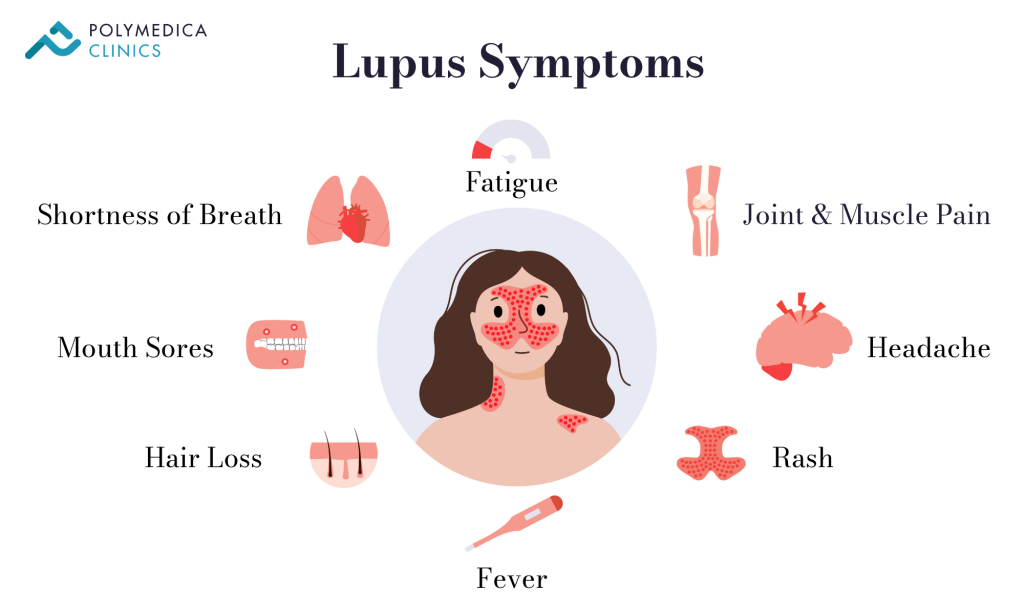
- Pain in joints, muscles, or chest (especially with deep breathing)
- Headaches
- Facial rash (often called a butterfly rash)
- Fever
- Hair loss
- Mouth sores
- Fatigue
- Shortness of breath
- Swollen glands
- Swelling in the arms, legs, or face
- Confusion
- Blood clots
Symptoms often appear in cycles known as flare-ups, during which they may become severe enough to disrupt daily life. Between flares, symptoms may lessen or disappear (remission).
Symptoms usually begin gradually, with one or two appearing first, followed by others over time.
Possible Complications
Over time, lupus may lead to additional health issues, including:
- Sensitivity to light
- Dry eyes
- Depression or other mental health conditions
- Seizures
- Anemia
- Raynaud’s syndrome
- Osteoporosis
- Heart disease
- Kidney disease
Causes
The exact cause of lupus is unknown, but several factors may contribute:
- Genetics: Certain genetic traits may increase risk
- Hormones: Hormonal influences, especially estrogen
- Environment: Exposure to sunlight or pollution
- Health history: Smoking, high stress, or other autoimmune diseases
Risk Factors
Anyone can develop lupus, but the risk is higher if:
- A biological parent has lupus
- You are female, especially between the ages of 15 and 44
Diagnosis and Tests
A rheumatologist diagnoses lupus through a physical exam and multiple tests. You’ll be asked about your symptoms, when they began, and your medical history.
Lupus can be difficult to diagnose because it affects many parts of the body and presents with varied symptoms. Even minor changes can be important, so share all concerns with your rheumatologist.
Tests May Include
- Blood tests to assess immune function and detect issues like anemia
- Urinalysis to check for infections or abnormalities
- Antinuclear antibody (ANA) test to detect specific antibodies
- Biopsy of skin or kidney tissue to identify immune-related damage
Management and Treatment
Treatment Options
A rheumatologist will recommend treatments to control symptoms, reduce organ damage, and minimize flare-ups. Treatment usually involves a combination of medications:
- Hydroxychloroquine: Helps relieve symptoms and slow disease progression
- NSAIDs: Over-the-counter medications that reduce pain and inflammation (should not be used for more than 10 days without medical advice)
- Corticosteroids (e.g., prednisone): Reduce inflammation; may be taken orally or injected
- Immunosuppressants: Decrease immune system activity to prevent tissue damage
Additional treatments may be needed for complications such as anemia, high blood pressure, or osteoporosis.
Preventing Flare-Ups
You may reduce flare-ups by avoiding known triggers:
- Limit sun exposure: Avoid peak hours (10 a.m. to 4 p.m.), wear protective clothing, and use SPF 50 sunscreen
- Stay active: Gentle exercises like walking, swimming, or yoga can help reduce joint pain
- Prioritize sleep and mental health: Aim for 7–9 hours of sleep and manage stress; a mental health professional can help with coping strategies
When to See a Rheumatologist
Seek medical advice if you notice new or changing symptoms. Even small changes can be significant.
Also consult your rheumatologist if:
- Your treatment seems less effective
- Flare-ups become more frequent or severe
Emergency Situations
Go to an emergency department or call 123 if you experience:
- Difficulty breathing
- Severe pain
- Symptoms suggesting a heart attack
This article is for informational purposes only and does not constitute a diagnosis or treatment, nor does it substitute professional medical advice.

