
Medically Reviewed
Last updated: 30/09/2026
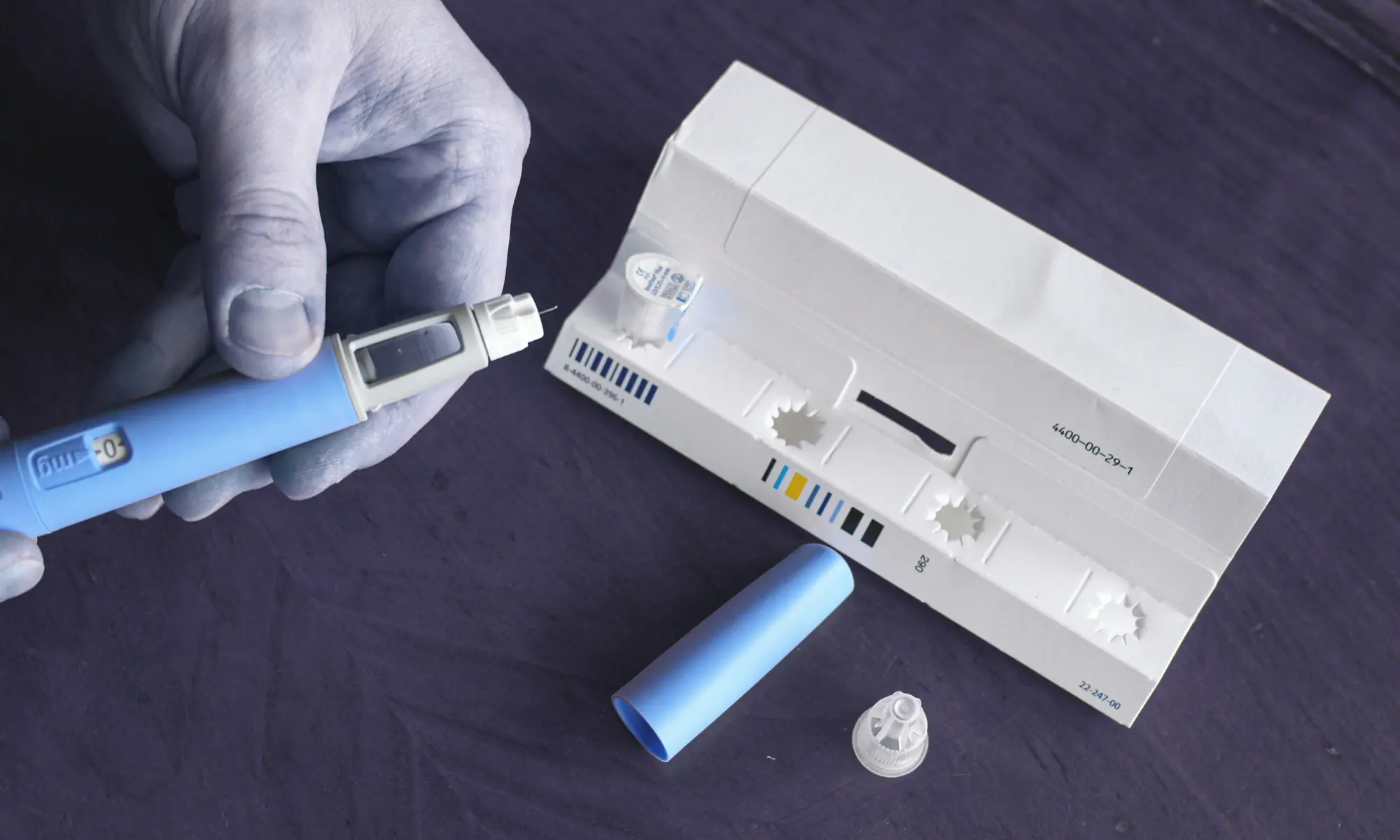
GLP-1 medications have become widely used to treat obesity and type 2 diabetes. However, research has raised concerns about a possible association between these medications, particularly semaglutide, and a rare eye condition that can cause sudden vision loss.
Although the potential risk has attracted attention, the evidence remains mixed, and a causal relationship has not been established. Here is what the research, regulators, and eye doctors say.
What Is NAION?
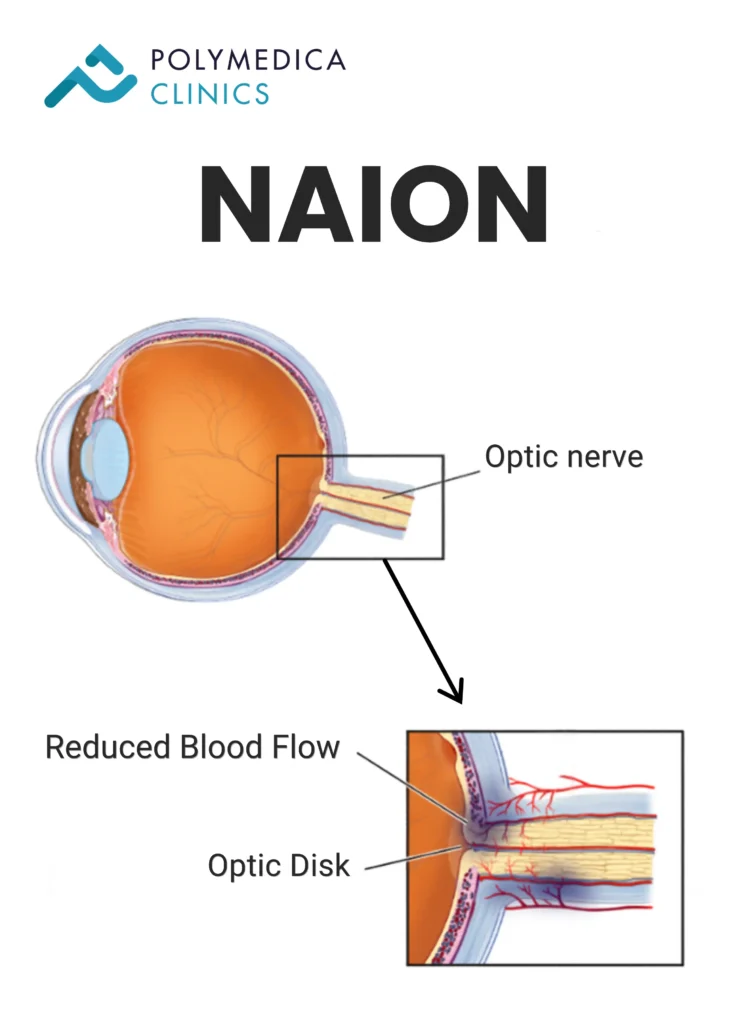
Non-arteritic anterior ischemic optic neuropathy (NAION) occurs when the optic nerve does not receive enough blood flow. It typically causes sudden, painless vision loss in one eye, which is often permanent.
NAION is uncommon, affecting an estimated 2–10 people per 100,000 annually, and occurs more frequently in adults over 50.
Established risk factors include diabetes, low blood pressure during sleep, untreated sleep apnea, and a very small optic nerve cup, an anatomical feature that can make the optic nerve more vulnerable.
How Did the Concern Begin?
In 2024, researchers at a Boston medical institution in the United States reported that people with type 2 diabetes who had been prescribed semaglutide appeared to have a higher risk of NAION.
The study was observational and relied on data from a single healthcare institution. It identified an association, but could not establish that semaglutide caused the condition.
The findings prompted further investigation into whether GLP-1 medications might contribute to NAION risk.
What Do Larger Studies Show?
Subsequent studies have produced mixed results. Some suggest a possible association between GLP-1 medications and NAION, while others have found no increased risk.
In May 2026, the American Academy of Ophthalmology (AAO) and the North American Neuro-Ophthalmology Society (NANOS) published a joint review of more than 40 studies.
Their review found that pooled analyses suggested semaglutide might be associated with approximately twice the relative risk of NAION. However, because NAION is uncommon, a doubling of relative risk would still represent a small absolute increase in cases.
The review also highlighted important limitations in the evidence. Some studies relied on diagnostic codes rather than diagnoses confirmed by neuro-ophthalmologists, which can reduce the precision of their findings. Several large studies, including an analysis of 1.2 million patients, found no increased risk.
Causation has not been established, and no mechanism explaining how semaglutide might cause NAION has been confirmed. Some laboratory research even suggests that GLP-1 activity may protect nerve tissue rather than damage it.
What Have Regulators Concluded?
In 2025, the European Medicines Agency (EMA) reviewed the available evidence and concluded that NAION is a very rare side effect of semaglutide. The estimated frequency is approximately one case per 10,000 people taking the medication.
The EMA recommended updating the product information for semaglutide-containing medicines, including Ozempic, Wegovy, and Rybelsus. It also recommended discontinuing semaglutide if NAION is confirmed.
This regulatory conclusion is important, but it does not mean that a causal relationship has been definitively established by the research as a whole.
What Do Eye Doctors Recommend?
The American Academy of Ophthalmology (AAO) and the North American Neuro-Ophthalmology Society (NANOS) take a different approach from a blanket recommendation to discontinue semaglutide whenever NAION occurs.
They emphasize that treatment decisions should be individualized, taking into account the patient’s overall health, risk factors, treatment benefits, and available alternatives.
For some patients, particularly those with severe obesity, difficult-to-control diabetes, or cardiovascular disease, stopping treatment may carry substantial health risks. The potential risk of NAION must therefore be considered alongside the benefits of treatment and the risks of discontinuation.
For patients who develop NAION while taking semaglutide, the societies recommend shared decision-making with their healthcare team, including their ophthalmologist or neuro-ophthalmologist and the clinician managing their underlying condition. The discussion should include the potential risk to the other eye and whether continuing or discontinuing treatment is appropriate.
Should Patients Have Eye Exams Before Starting GLP-1 Medication?
The AAO and NANOS do not recommend routine eye examinations solely to assess NAION risk before starting a GLP-1 medication, because current evidence does not support this practice.
People with diabetes should continue their regularly scheduled diabetic eye examinations. Those who have already experienced NAION in one eye do not need an additional screening examination simply to establish their risk status, but should discuss the potential risk to the other eye with their physicians before starting a GLP-1 medication.
Patients who are already taking semaglutide and have not experienced vision symptoms should discuss any concerns with their treating physician before making changes to their medication.
What Symptoms Should Patients Watch For?
NAION typically presents as sudden, painless vision loss in one eye. Anyone who experiences this symptom should seek prompt evaluation by an ophthalmologist.
People with potential risk factors for NAION should discuss them with their physicians. These include diabetes, low blood pressure during sleep, untreated sleep apnea, and a very small optic nerve cup. Where possible, working with their healthcare team to address modifiable risk factors may help reduce their overall risk.
What Should Patients Do?
Some studies suggest a possible association between GLP-1 medications, particularly semaglutide, and non-arteritic anterior ischemic optic neuropathy (NAION). However, research findings remain mixed, and a causal relationship has not been established. Although the European Medicines Agency classifies NAION as a very rare side effect of semaglutide, this does not mean that the medication causes vision loss in most people who use it or that all patients should stop taking it.
These medications can also offer important benefits for patients for whom they are appropriate, whether for treating obesity, type 2 diabetes, or reducing the risk of serious cardiovascular events. The potential risks should therefore be weighed against the benefits of treatment, taking each patient’s overall health and individual risk factors into account. Patients should not stop taking their medication or change their treatment without discussing it with their treating physician.
This article is for informational purposes only and does not constitute a diagnosis or treatment, nor does it substitute professional medical advice.