

Medically Reviewed
Last updated: 19/03/2026
Anti-aging peptide injections or ‘biohacking’ have become a growing wellness trend. Aesthetic clinics and social media influencers promote “peptide stacking,” a practice that involves injecting multiple peptides at the same time. These combinations are claimed to support weight loss, muscle growth, injury recovery, sleep improvement, skin health, and gut healing.
Although the trend has gained attention online, scientific evidence supporting many of these claims remains limited. Despite this, the global peptide market continues to grow rapidly.
What Are Peptides?
Peptides are short chains of amino acids, which are the building blocks of proteins. They function as signaling molecules in the body, sending messages that influence how cells behave. Some peptides help regulate hormones, while others affect immune responses, metabolism, or tissue repair.
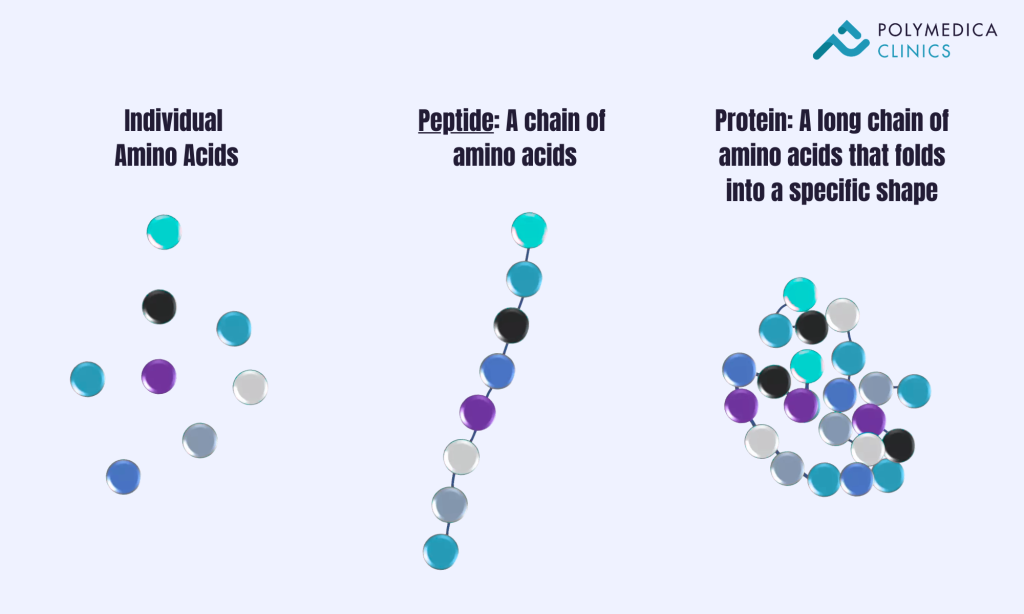
Peptides occur naturally in the human body but can also be manufactured synthetically. They have been used in medicine for more than a century. One well-known example is insulin, first used in 1921 to treat diabetes. Modern weight-loss drugs such as semaglutide are also synthetic peptides designed to mimic the GLP-1 hormone produced in the gut.
Oral collagen peptides and topical skincare peptides show modest benefits for skin, joints, and overall appearance and are generally considered safe.
Peptide Injections Used in “Biohacking”
Injectable peptides such as BPC-157, GHK-Cu, or TB-500 are marketed for a wide range of effects, including injury recovery, athletic performance, weight loss, mental function, better sleep, and younger-looking skin. Some synthetic peptides, like BPC-157 and TB-500, are modeled on proteins naturally found in the body that play a role in tissue and cellular repair. Combinations of these peptides are promoted for their supposed regenerative properties.
What the research says
While some studies in animals suggest that some peptides may help speed recovery from musculoskeletal injuries such as fractures and torn ligaments, there is no human research demonstrating therapeutic benefit. The compounds have not been shown to provide extra advantages when injected into humans.
The evidence becomes even weaker when peptides are combined into stacks and injected together. There are no clinical studies validating the safety or effectiveness of these peptide cocktails. Combining peptides introduces additional complexity because each compound has its own timing, half-life, and concentration patterns in the body.
Regulations
Research trials have not led to regulatory approval. Injectable peptides are unapproved by the FDA in the United States, however, some are labeled “for research purposes only.” This legal loophole allows them to be sold but does not constitute approval for human therapeutic use. Globally, peptides in this category are largely unregulated and fall into a legal grey area; in Egypt, there is no regulation explicitly permitting their use for aesthetic or wellness purposes.
Pharmaceutical companies have generally not invested in development due to the perceived limited market. Most injectable peptides are sourced internationally, often from China, and imported by aesthetic clinics or individuals.
Safety and Complications
Injecting grey-market peptides carries serious risks:
- Lack of precision means these compounds may activate unintended pathways that are harmful.
- Hormones and hormone-like signals in the body are carefully controlled. Interfering with them through untested peptide injections may disrupt normal biological processes. For example, risks may include acromegaly, an excess of growth hormone that leads to the problematic enlargement of bones, cartilage, and organs.
- There are concerns about the impact on gut health and the microbiome. The natural balance of microorganisms in the digestive system plays an important role in maintaining overall health. Substances that alter microbial growth or behavior may disrupt this balance.
- Since peptides have tissue growth factors, they may accelerate the growth of an early-stage cancer if present.
- Another major concern involves product quality. Many peptides sold through online or “grey market” sources are not strictly regulated. Testing has shown that some supplements marketed for cellular health contain none of the ingredients listed on their labels. Similar issues may exist in peptide products sold for research purposes.
The Verdict
Peptide injections remain experimental and carry serious safety risks. Injuries and other health concerns are best treated with a combination of proper diagnosis, medical care, rehabilitation, structured training, adequate sleep, and balanced nutrition.
The popularity of biohacking peptides has been fueled by social media and the promotion of unrealistic body aesthetics, but reliance on untested substances can distract from safe, evidence-based strategies. Patients and consumers should prioritize clinically validated therapies and approach unproven claims with caution.