
In the age of social media, weight loss advice is everywhere, and much of it is misleading, extreme, or outright false. Influencers promote “quick fixes,” miracle diets, and punishing routines that promise dramatic results with little effort. Unfortunately, many of these methods are not only ineffective but can also harm your physical and mental health.
Protecting yourself means relying on evidence-based guidance from qualified health professionals. Sustainable weight loss doesn’t come from shortcuts. It comes from realistic goals, balanced nutrition, supportive habits, and patience. Understanding what not to do is just as important as knowing what works.
Below are the most common mistakes that sabotage weight loss, followed by dietary approaches backed by research that support long-term success and make progress that lasts.
Weight Loss Mistakes
1. Unrealistic weight-loss goals
Aiming to lose large amounts of weight in a very short time is not realistic for most people. Research shows that losing 0.5 to 1 kilogram per week is a healthy and achievable target, depending on body type.
Slower weight loss supports long-term behavior change and reduces the likelihood of regaining weight. Some people also find success by focusing less on the scale and more on improving eating habits and overall health.
2. Fad diets
Diets that promise rapid fat loss often rely on eliminating entire food groups or focusing on a single food type. These plans frequently lack essential nutrients and rarely produce lasting results.
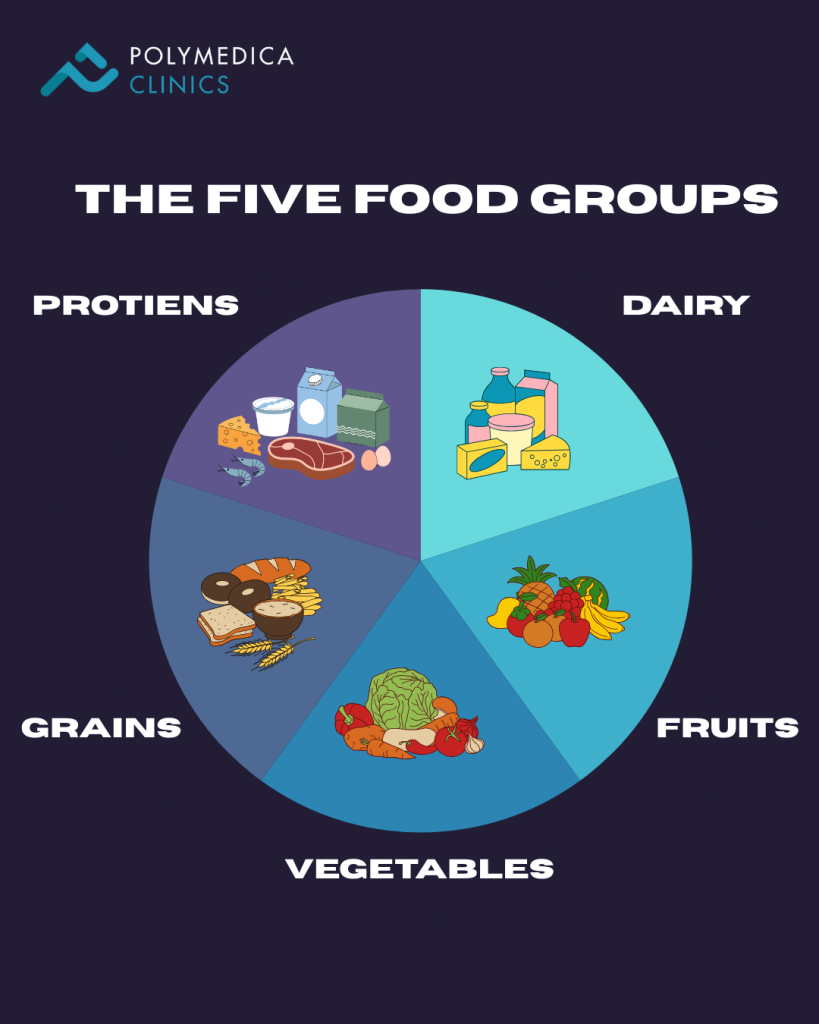
A sustainable eating pattern is typically balanced and includes:
- fruits
- vegetables
- whole grains
- protein sources
- dairy in appropriate portions
Diets that rely on restriction rather than balance can also create an unhealthy relationship with food.
3. Guilt-driven motivation
Using guilt or shame to motivate weight loss can backfire. Research links weight-related guilt to overeating, weight gain, and disordered eating behaviors.
Approaches that emphasize self-compassion and consistency are more likely to support long-term success.
4. Skipping meals
Regularly skipping meals deprives the body of essential energy and nutrients, potentially slowing metabolism and reducing the body’s ability to burn calories. This physiological response can make weight loss more difficult over time.
Some structured approaches, such as intermittent fasting, limit eating to specific time windows but still prioritize meeting nutritional needs. Extremely low-calorie diets, especially those providing less than 1,000 calories per day, often require vitamin and mineral supplementation and should only be followed under medical supervision.
5. Fixating on the scale
Body weight naturally fluctuates due to hydration, digestion, and hormonal changes. Weighing too frequently can lead to frustration and unnecessary stress.
Progress can also be measured by noticing changes such as:
- How your clothes fit
- How much energy you have during the day
- Improvements in strength and endurance
6. Excessive high-intensity exercise
Exercise supports weight loss, but excessive high-intensity training can suppress immune function and increase injury risk. When paired with inadequate calorie intake, it may lead to muscle loss rather than fat loss.
Loss of muscle slows metabolism, which can ultimately contribute to weight gain. Limiting high-intensity workouts to two or three days per week allows for recovery and better results.
7. Sweating to lose weight
Attempting to lose weight through excessive sweating, such as wearing heavy clothing during workouts or spending long periods in a sauna, results in dehydration rather than fat loss.
Sweating causes loss of water, electrolytes, and essential vitamins and minerals. Any weight lost returns once fluids are replaced.
8. Poor hydration
Drinking water can help manage appetite by increasing feelings of fullness. Consistent hydration is also associated with:
- improved digestion
- increased calorie burn
- reduced intake of sugary beverages
A common guideline is around 2 litres of water per day, though individual needs vary.
9. Purging behaviors
Vomiting or using laxatives for weight control is classified as disordered eating and can cause severe health complications, including:
- heart rhythm disturbances
- gastrointestinal damage
- dehydration
- bone loss
- fertility issues
- stroke
Purging is never a safe or effective weight-loss strategy.
10. Ignoring sleep and stress
Weight loss is influenced by more than diet and exercise. Chronic stress and insufficient sleep disrupt hormones that regulate hunger and fullness, increasing the risk of overeating.
Managing stress and prioritizing sleep are essential components of a sustainable approach.
Diets Supported by Research
There is no single diet that works for everyone. The most effective plan is one that fits your preferences and lifestyle while being supported by scientific evidence. Several eating patterns consistently show benefits for weight loss and overall health.
Mediterranean-style eating
The Mediterranean diet is often described as a lifestyle rather than a traditional diet. It is based on eating patterns common in Mediterranean regions and emphasizes:
- vegetables
- fruits
- beans
- lentils
- whole grains
- nuts
Olive oil is used as the main source of fat. Fish and seafood are eaten a few times per week, while red meat is limited. Fruit is commonly eaten as a sweet option, and nuts are often used as snacks.
Research shows this way of eating reduces the risk of heart attack and stroke and supports gradual, sustainable weight loss. It works well for people who enjoy plant-based foods and prefer lighter meals.
Moderate protein, balanced carbohydrate plan
This eating pattern emphasizes whole grains, fruits, and vegetables while allowing a higher intake of protein. Processed foods and added sugars are limited, but animal proteins are included.
A typical macronutrient distribution includes:
- 30% of energy from protein
- 30% from fat
- 40% from carbohydrates
Higher protein intake can reduce hunger, making it easier to stick with the plan. This approach works well for people who like structure, meal planning, or tracking what they eat.
For best results:
- Include protein at every meal
- Use a mix of animal and plant-based sources
- Most fats should come from whole-food plant sources and omega-3 fats rather than saturated animal fats
DASH diet
The DASH diet, short for Dietary Approaches to Stop Hypertension, was originally developed as a research-based eating plan to lower high blood pressure. It also helps lower cholesterol and supports weight loss.
Instead of counting calories, the DASH diet:
- Breaks down the number of servings to eat from each food group
- Focuses on fruits, vegetables, whole grains, low-fat dairy, lean protein, and healthy fats
A major goal of the DASH diet is to reduce sodium intake. To follow it: - Read food labels to find lower-sodium ingredients
- Flavor meals with salt-free seasonings
- Allow flexibility if you get off track
This plan is ideal for people who plan meals around food groups and prefer structure without counting calories.
Whole food, plant-based diet
A whole food, plant-based diet eliminates animal products such as meat, poultry, fish, eggs, and dairy. Meals are built around:
- fruits
- vegetables
- whole grains
- legumes
- nuts
- seeds
Research shows this approach can reduce the risk of heart disease, high blood pressure, diabetes, and obesity. Because these foods are high in fibre and lower in energy density, people often feel full while consuming fewer calories.
Including healthy fats from avocados, nuts, and seeds helps improve satisfaction and makes the diet easier to maintain.
Despite their differences, these diets share important characteristics:
- They emphasize whole, minimally processed foods
- They promote fullness and satisfaction
- Meals are built around fruits, vegetables, whole grains, protein, and heart-healthy fats
Plans that promise rapid weight loss, especially more than 1 to 2 kilograms per week, or permanently eliminate nutritious foods you want to keep eating, are unlikely to be sustainable.
Weight loss does not require extreme measures. In an environment filled with misinformation, relying on evidence-based guidance helps protect your health and improve long-term success.
Lasting change comes from realistic goals, balanced nutrition, and habits you can maintain over time.
Medical Interventions for Weight Loss
In some cases, lifestyle changes alone may not be enough to achieve healthy and sustainable weight loss, even with adherence to balanced nutrition and physical activity. In such cases, medical options can be discussed with a doctor, such as modern weight-loss medications from the GLP-1 receptor agonist class, or bariatric surgery.
Weight-loss medications are generally considered in the following cases:
- Body Mass Index (BMI) of 30 or higher
- BMI of 27 or higher with obesity-related conditions such as type 2 diabetes, high blood pressure, or elevated blood cholesterol
Bariatric surgery is generally considered in the following cases:
- BMI of 40 or higher
- BMI of 30 or higher with obesity-related conditions
- Especially if structured attempts at weight loss under medical supervision have been unsuccessful
These options are not cosmetic or quick fixes. They are medical interventions with clear criteria and require careful evaluation and ongoing follow-up with a doctor.